United’s Midfield Audit: What the Last 90 Told Us About Mainoo’s Partner
Match Summary
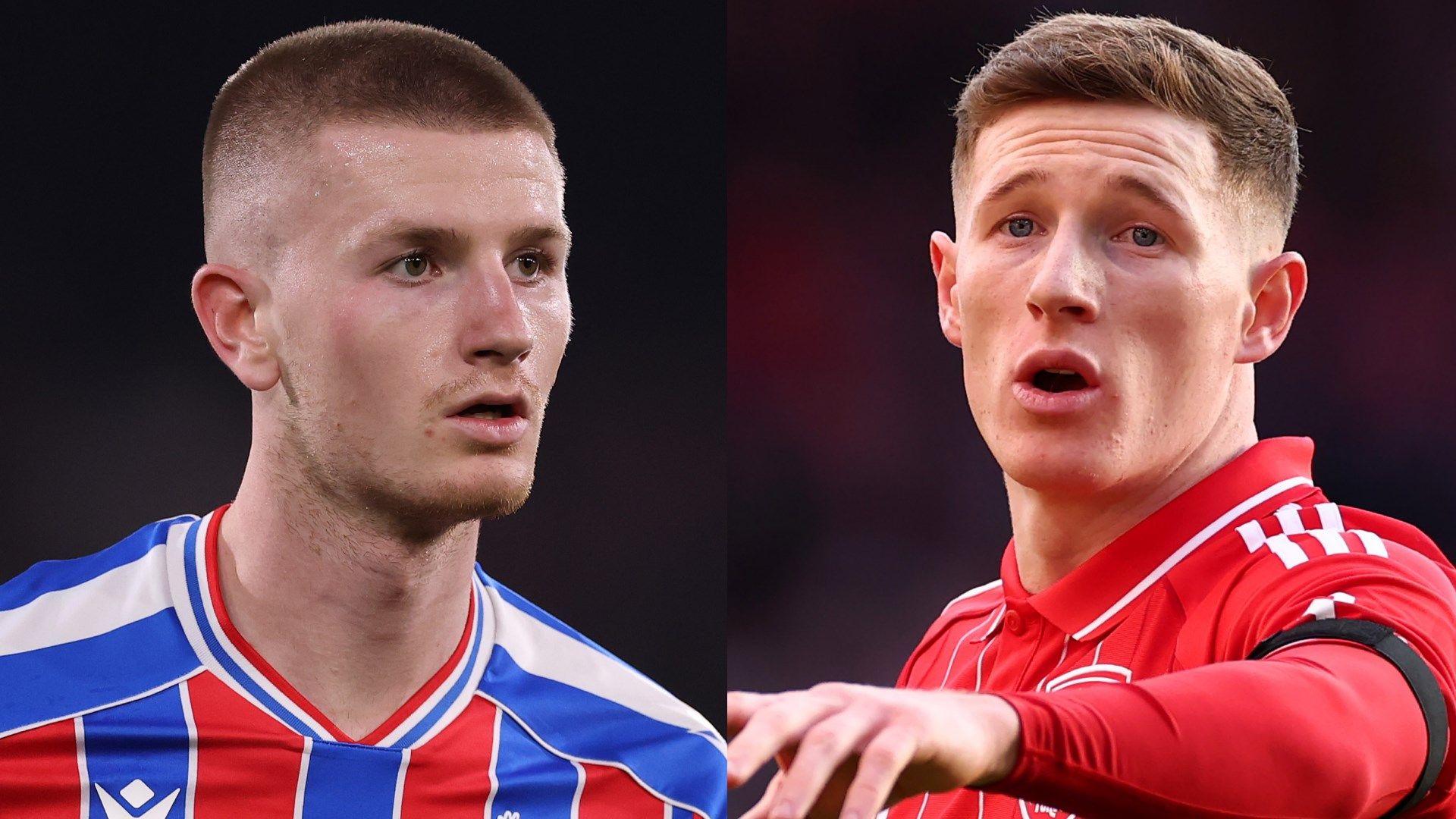
Manchester United’s latest league outing didn’t just add points — it reignited the midfield debate. Goal reports Nicky Butt weighing in on the hunt for Kobbie Mainoo’s long‑term partner, with Adam Wharton and Elliot Anderson touted as the profile United need. The timing matters, because the current midfield has been stabilised but not fully modernised. The last 90 minutes reminded everyone why.
United have been more balanced under Michael Carrick, but their game still swings with the midfield rhythm. When Mainoo is supported by an athletic, tidy partner, United control tempo, win second balls, and keep transitions in check. When he’s forced to cover too much ground or carry the buildup alone, the match becomes a rollercoaster. The latest performance was a reminder: this team is a step away from control being consistent rather than occasional.
Tactical Breakdown
United’s base shape has been compact and sensible, but the midfield distances are still a work in progress. The team can look slick in the first phase, then lose the thread when the opponent presses higher or clips balls into the half‑spaces. That’s where the partner role becomes critical — a midfielder who can receive under pressure, switch play quickly, and cover ground when the press is broken.
Mainoo is already the glue, but glue needs a surface to stick to. Wharton would bring smooth circulation and press resistance; Anderson would bring engine and edge, a player who can shuttle and still keep the ball moving. The post‑match picture isn’t just about one game — it’s about a pattern. United can create, but they still concede too much initiative when the midfield legs tire or the passing lanes get blocked.
YOU MAY ALSO LIKE
Casemiro’s Farewell Tour Is Locked In: United Get the Memo
Big Six MVP Rerank: The Round That Rewrote the Power Order
Liverpool’s Run‑In and the £125m Question: Isak Comeback Watch
Turning Point
The turning point wasn’t a goal. It was the spell where United tried to play through pressure and couldn’t find the release valve. That’s when you see the limits of the current setup: the ball circulates, the tempo drops, and the opposition grows in belief. United survived the moment, but the lesson is clear — their midfield needs a second controller, not just a second runner.
This is where Butt’s comment lands with impact. He knows the position, knows the club, and knows that the best United teams always had a midfield partnership that made pressure feel boring. Right now, United’s midfield is good enough to win matches; it’s not yet good enough to dictate them.
Implications
United are climbing, but their ceiling depends on how they solve the Mainoo partner puzzle. The post‑match snapshot suggests the current blend is functional rather than elite. That’s why Wharton and Anderson are being floated: one offers composure and progression, the other offers intensity and coverage. Either would be a step toward the kind of midfield that turns top‑four form into title‑chasing consistency.
Expect this to become a summer priority, especially with veteran exits looming. The club can’t afford a midfield identity crisis when the standards are rising again. If the last 90 minutes taught anything, it’s that United are close — but close in the Premier League is just polite failure. The next recruitment move needs to upgrade control, not just add depth.