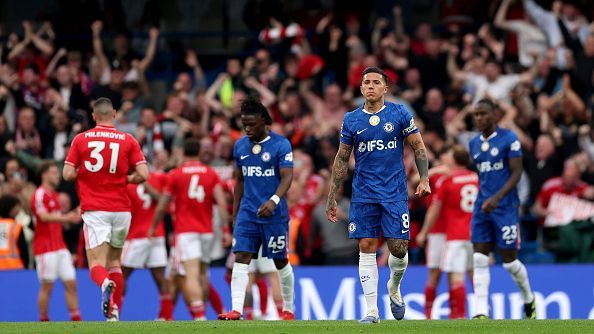
Chelsea vs Nottingham Forest analysis: the wobble that got louder at the Bridge
Chelsea vs Nottingham Forest analysis starts with an awkward truth: Stamford Bridge heard the groan before the final whistle. A 3-1 defeat isn’t just a bad night; it’s a mirror. This one exposed a team searching for control, a midfield that blinked under pressure, and a defensive line that looked allergic to simple decisions. The scoreline was loud, but the tactical story was louder.
Calum McFarlane’s post-match stance was calm, insisting the group is in a good place despite a grim run. That is leadership talk. But the tape shows the same patterns: soft turnovers, overexposed full-backs, and a desperate search for the final pass. Forest didn’t just take chances; they took the narrative.
Match Summary
The early phases had the usual Chelsea script: decent possession, some neat rotations, and just enough pressure to make you think the breakthrough was coming. Forest, however, were patient. They let Chelsea have the ball and set traps in midfield. The first punch came after a loose build-up sequence, and suddenly the home crowd’s mood flipped from cautious hope to “here we go again.”
Chelsea pulled a goal back to restore a flicker of control, but it never felt stable. Forest kept targeting the spaces behind the full-backs and hunting the second ball. Two more goals later, the game was less about a comeback and more about damage limitation. It wasn’t a total collapse, but it was a clear reminder that this team struggles to manage moments when the temperature spikes.
Tactical Breakdown
This Chelsea vs Nottingham Forest analysis is not about one player; it’s about structure. The midfield spacing was too loose, leaving the centre-backs exposed in transition. Forest’s wide players pinned the full-backs deep, and Chelsea’s wingers were forced to track rather than attack. That made ball progression slow and predictable, which is basically a gift to a team that wants to counter.
When Chelsea did manage to build, the final third lacked sharpness. The box entries were rushed, the runners weren’t synchronized, and the cutbacks went to empty zones. Forest were not only compact; they were aggressive in the moments that mattered. They read Chelsea’s patterns and pressed the exact passes that have become too familiar.
McFarlane will point to effort, and he has a point. The effort was there. But effort without control is just cardio. Chelsea need calmer rotations, quicker switches of play, and a more ruthless decision-maker between the lines. Until that happens, games like this will keep showing up with the same plot.
YOU MAY ALSO LIKE
- Chelsea UCL race pressure: the post-match mood check before United
- Chelsea Champions League hopes: panic mode, Palmer pressure, and a loud run-in
- Arsenal vs Newcastle United preview: the TV clues, the tempo traps, and who blinks first
Turning Point
The turning point came with Chelsea chasing momentum and losing their shape. A loose midfield pass triggered a break, and Forest punished the space behind the back line. That goal didn’t just change the score; it drained belief. From that moment, Chelsea’s attacks felt more frantic, and Forest’s counters looked inevitable.
Implications
Chelsea vs Nottingham Forest analysis isn’t just about one night; it’s about the run-in. Six straight Premier League defeats is a number that doesn’t lie, and the next fixtures won’t be kind. The squad still has quality, but the performance patterns say they need clarity: who starts, how they press, and how they protect the ball in midfield when the game swings.
McFarlane’s public calm is smart, but the group needs a ruthless internal reset. Control the transitions, simplify the build-up, and stop giving away the soft moments that invite pressure. Until those issues are fixed, every match becomes a test of belief rather than a test of football.
There is still time to flip the narrative, but it requires a sharper edge and fewer self-inflicted wounds. Chelsea don’t need perfection. They need a plan that survives chaos. Right now, the chaos is winning the argument.