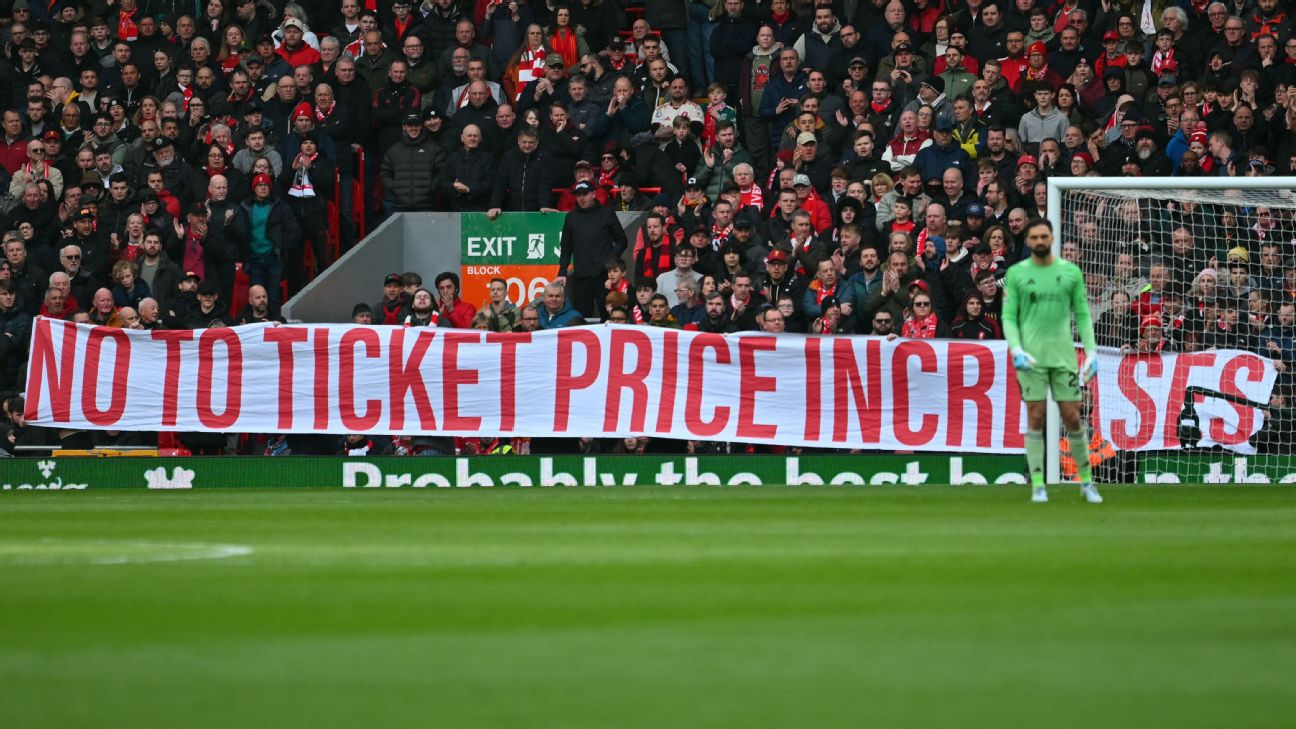
Liverpool ticket price rise: fans fire off a 'deep concern' letter and the club fires back
The Liverpool ticket price rise saga is officially in full-volume mode. The club’s Supporters Board has put pen to paper, sending an open letter to principal owner John Henry and calling the three-year plan for higher ticket prices a ‘deep concern’ for the future of the club. This isn’t a polite RSVP. It’s a red flag, on paper, in public, with signatures invited and another protest lined up for the next matchday.
According to ESPN’s report, fans wanted a freeze on inflation-linked increases and got a rejection instead. That sparked a protest at the previous home game versus Fulham, and more action is planned for Saturday’s visit of Crystal Palace. If that sounds familiar, it should. The last time Liverpool fans staged walkouts against a £70 ticket price, Fenway Sports Group hit the U-turn button. History is in the group chat, and the current ownership will feel that message as soon as the first banner goes up.
Overview
This isn’t just a moan about a few quid. The Supporters Board is arguing that locking in multi-year price rises removes meaningful dialogue and bakes in a model where prices are set for years regardless of supporter sentiment or financial reality. In plain terms: it’s not just about how much it costs now, it’s about who can still afford to show up in three years. Liverpool’s identity is built on its fanbase, and the letter warns that decisions like this reshape that future.
Key Details
Here’s the core timeline and the main facts in play:
- Supporters asked for a freeze on inflation-linked increases; the club said no.
- A protest happened at the Fulham home game; further action is planned for Crystal Palace.
- The Supporters Board letter invites signatures and says the policy is ‘deeply concerning’ for the future direction of the club and English football.
- The club says matchday operating costs are up 85% since 2016-17.
- Liverpool say adult season tickets will rise by no more than £3.50 per game across three years, and general admission tickets by £3 to £4.50.
- The club also points out that Kop match ticket prices are the same as when FSG took over, despite a 45% cumulative inflation rise over that period.
YOU MAY ALSO LIKE
- Liverpool top five race: the run-in that refuses to chill
- Liverpool Premier League run-in: Arne Slot’s pressure cooker goes to boil
Reactions
This is classic Liverpool: the fanbase organizes fast, the language is sharp, and the pressure gets public. The letter warns that multi-year price rises aren’t just a short-term affordability issue, they’re an identity issue. And because Liverpool’s support is one of the club’s biggest selling points, this isn’t a tiny corner of Twitter grumbling. It’s the people who fill the Kop, telling ownership they don’t feel heard.
On the other side, the club’s argument is equally predictable: rising matchday costs, a controlled increase per game, and a defense that prices in some sections have stayed flat for years. If you’re in the boardroom, it reads like a financial reality check. If you’re in the stands, it reads like a polite shrug.
What This Means
The Liverpool ticket price rise debate is bigger than the numbers. It’s about trust. The Supporters Board isn’t just asking for a cheaper seat; it’s asking to keep the annual conversation alive, to keep the club from hard-coding prices as a set-and-forget strategy. That matters because fans aren’t a customer base; they’re the club’s public face, and they’ve got a long memory.
This is also a reminder that the Premier League’s financial engine runs hot, but the culture that powers it is still grounded in local loyalty. Liverpool’s ownership will have to decide if this is a hill worth fighting on, especially with the noise already building ahead of Crystal Palace and the last time a protest actually worked. If the board thinks this is a short storm, they should read the letter again. The language is calm, but the message is sharp: you’ve got a problem, and it won’t go away quietly.
Expect more banners, louder chants, and a lot of uncomfortable angles on the TV broadcast. The Liverpool ticket price rise might be a spreadsheet decision upstairs, but downstairs it’s a feeling, and those are much harder to price out.