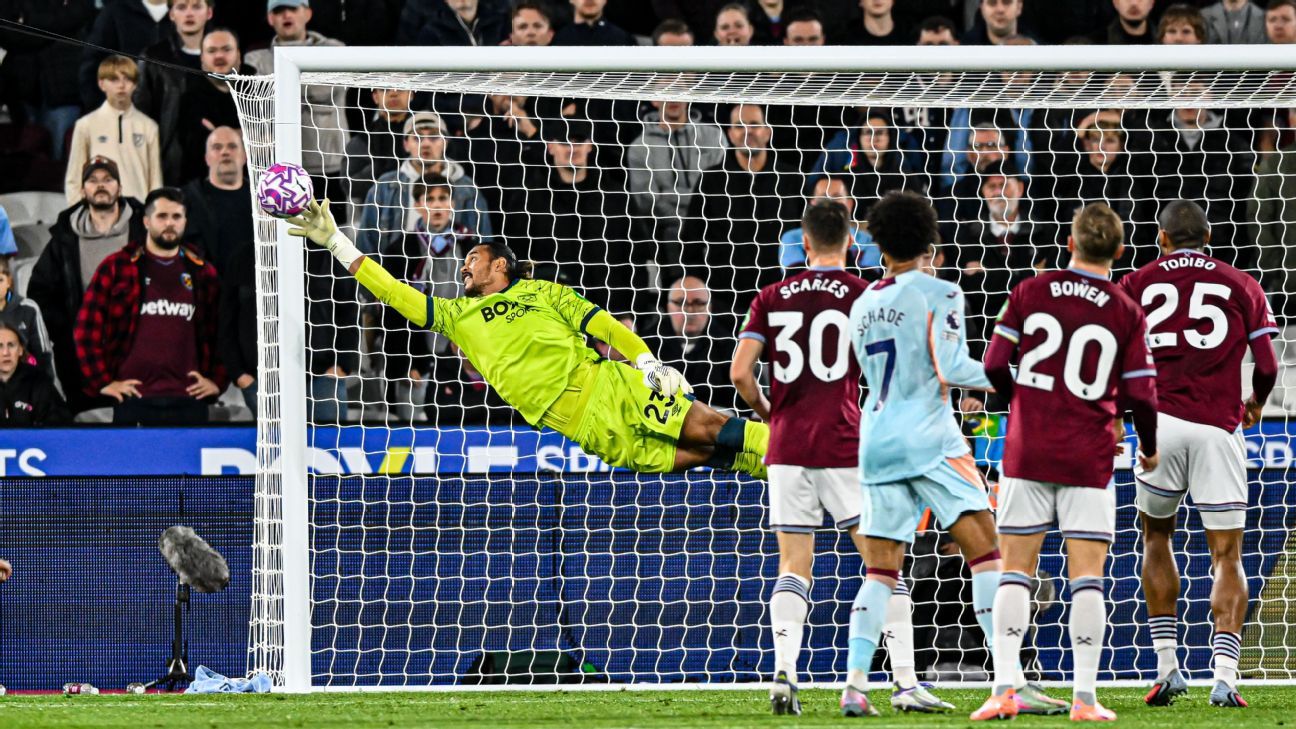
Premier League long-range goals: the new ball, the science, and a league-wide post‑match
Premier League long-range goals are having a season-long moment, and the numbers are weird in the best way. ESPN’s deep dive on the new Puma ball lays out the big contradiction: teams are shooting from distance less than ever, yet the outside-the-box goals are not going anywhere. So this post-match analysis isn’t about one stadium; it’s about the entire league’s latest plot twist, viewed through the evidence, the physics, and the chaos.
In short, the league is shooting less from range, but scoring at the same rate when it does. That means every long-range attempt now feels like a semi‑scripted highlight. Whether that’s tactics, training, or the ball itself, it’s become an EPL storyline that deserves the tactical microscope.
Match Summary
This is a “match” with 20 teams involved, because the trend is league-wide. The data shows Premier League sides taking fewer long-range shots than any season in the last 19 years. Yet the conversion rate on those attempts is hovering around its historical average. Translation: long shots are rarer, but the ones that fly are more likely to stick. That’s why it feels like every weekend delivers a clip you’ll see replayed for a month.
The ESPN analysis points out another key detail: the Premier League switched from Nike to Puma for the match ball this season, ending a 25‑year run. When a sport switches equipment, the nerds become detectives and the footballers become testers. The theory is simple: if the ball behaves differently, the top shooters might cash in. Not proof, but the timing is loud.
Tactical Breakdown
The tactical layer is clear. Defensive structures now overload the box, squeezing central lanes and forcing outside shots into the “go on then” category. That should reduce the long-range goal count, but it hasn’t. The obvious explanation is that the small group of elite shooters have adapted, and their shot quality is so high it keeps the numbers steady even as volume drops.
Another layer: teams are practicing these patterns more efficiently. If you only take four range shots per game instead of eight, you likely choose the right ones. That’s why the Premier League long-range goals trend is more “selective sniper” than “spray and pray.” It is less about volume and more about timing, space, and ball flight.
Then there’s the physics angle. The new Puma Premier League ball, according to ESPN’s reporting, has been tested in wind tunnels and debated among scientists who actually understand air resistance. If a ball is marginally more stable or easier to whip, it doesn’t have to be magical to change outcomes. At this level, tiny differences become highlights.
YOU MAY ALSO LIKE
- Liverpool vs Everton 2-1: Van Dijk’s late hammer, derby drama, and UCL heat
- Nottingham Forest vs Burnley 4-1: Gibbs-White’s hat-trick turns panic into party
- Brentford vs Fulham 0-0: a West London stalemate with chances, clanks, and one heroic save
Turning Point
The turning point in this story is the equipment switch. The league moved to a new match ball, and that alone would be enough to spark a fresh batch of wonder strikes. But the bigger shift is how teams defend: low blocks, crowded boxes, and narrow central channels. The space outside the area is the only invitation left, which means the players who can strike cleanly are now getting the perfect invitations at just the right time.
That combination — smaller shot volume, cleaner opportunities, and a potentially friendlier ball — is why the trend feels so loud. It isn’t random. It’s a tactical response with a physics twist, which is the most Premier League thing ever.
Implications
This trend changes recruitment, training, and game planning. If outside-the-box goals remain sticky, clubs will prize clean strikers of the ball even more. Midfielders who can hit from range are no longer a luxury; they’re a cheat code for low-block games. It also means keepers and analysts will spend more time on ball flight data and long-shot scouting.
For fans, the implication is simple: the highlight reels are back. For managers, the implication is less poetic: you can defend the box perfectly and still get punished by a 25‑yard thunderbolt. So the next time someone shouts “shoot,” remember — in 2026, that might actually be the smartest play in the stadium.