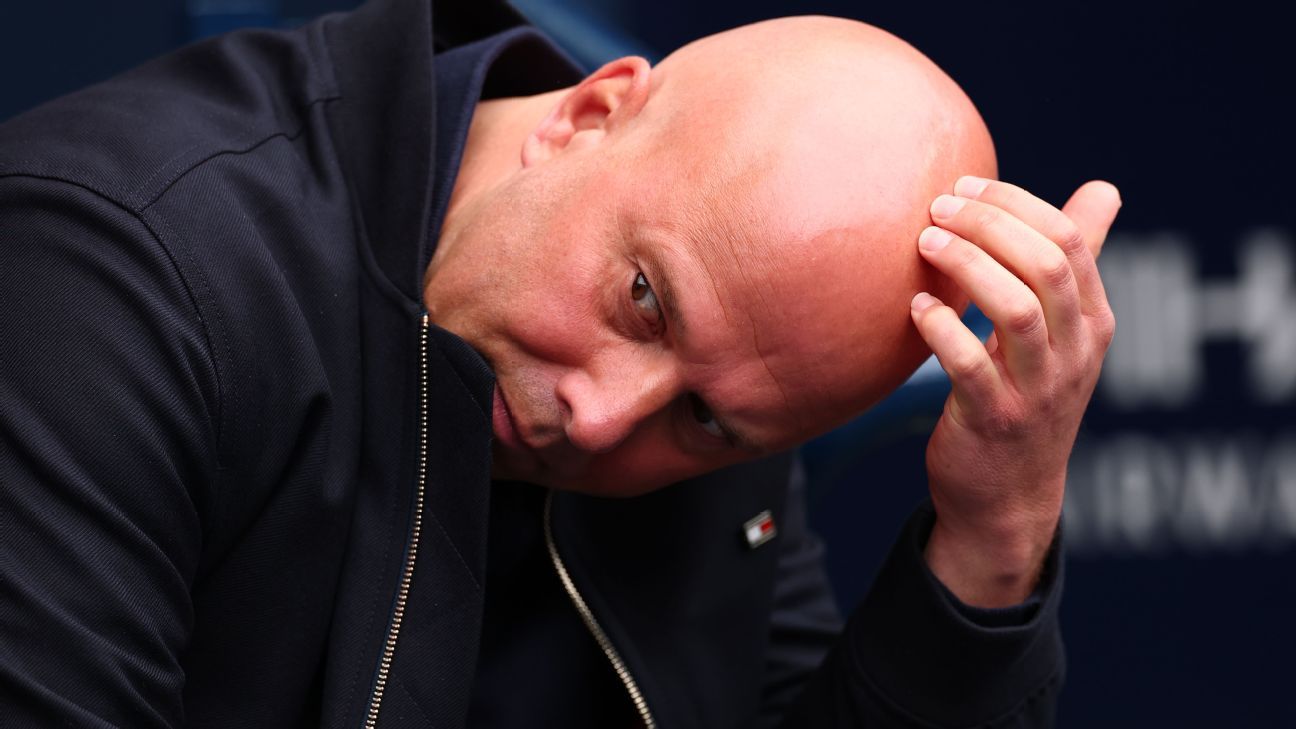
Liverpool heavy defeat analysis: when the red fog doesn’t lift
Match Summary
The Liverpool heavy defeat analysis starts with the obvious: it was bad, it looked worse, and it felt like the kind of night that leaves a stain. The primary keyword, Liverpool heavy defeat analysis, belongs here because this wasn’t a narrow loss or a freak result; it was a collapse that exposed structural issues and shook belief. Liverpool didn’t just lose; they were outplayed, out‑thought, and out‑muscled in the key phases.
The opening half was chaotic. Liverpool’s press looked disjointed, and their shape kept stretching at the seams. When the first goal went in, the response was frantic rather than composed. The game never settled. It spiraled. That’s the difference between a bad night and a dangerous one: you can’t find a way back to your identity.
Tactical Breakdown
From a tactical standpoint, Liverpool’s problem was spacing. The midfield line didn’t control the central zones, which allowed the opposition to progress through the middle too easily. The press was reactive instead of coordinated, and the back line was pulled into too many isolated duels. When those duels were lost, the spaces behind them were exposed.
Another issue was the speed of transitions. Liverpool are at their best when they win the ball and immediately turn it into an attack. Here, the transitions were slow, which meant the opponent had time to regroup. That allowed the opposition to build waves of pressure and keep Liverpool pinned back. It turned into a game of survival instead of control.
The midfield also lacked a clear outlet. When Liverpool tried to build, they were forced wide, then recycled back into danger. That’s how momentum dies. Without a reliable central progression, everything becomes predictable. And predictable football at this level is punished.
YOU MAY ALSO LIKE
Liverpool defeat analysis: the heavy night that shook the project
Haaland hat trick vs Liverpool: the night City crushed the noise
Southampton 2-1 Arsenal analysis: the wobble that won’t stay quiet
Turning Point
The turning point arrived with the second goal. Liverpool were already shaken, but that moment flipped the match from “recoverable” to “catastrophic.” The response was scattered, with too many players trying to fix everything at once. That’s not a tactical error; that’s a team in emotional trouble. The opponent didn’t need to change anything. They simply kept doing what worked and watched Liverpool unravel.
Implications
The implications go beyond a single result. The Liverpool heavy defeat analysis points to a squad that is struggling with rhythm, balance, and confidence. It also puts enormous pressure on the manager. When the defeats become heavy, the questions become louder. The conversation about direction, adaptation, and control will be impossible to avoid.
In EPL terms, this matters because domestic form is built on consistency. A collapse like this can bleed into league matches if the response isn’t immediate and deliberate. Liverpool need a reset, not a rebrand. They need sharper spacing, clearer roles, and a calmer emotional response to setbacks.
The harsh reality is that this result will be remembered if Liverpool don’t bounce back quickly. It’s the type of night that rewrites narratives. The only antidote is the next performance. If the next match looks controlled and composed, this becomes a bad memory. If it doesn’t, this becomes a trend. And trends are how seasons unravel.