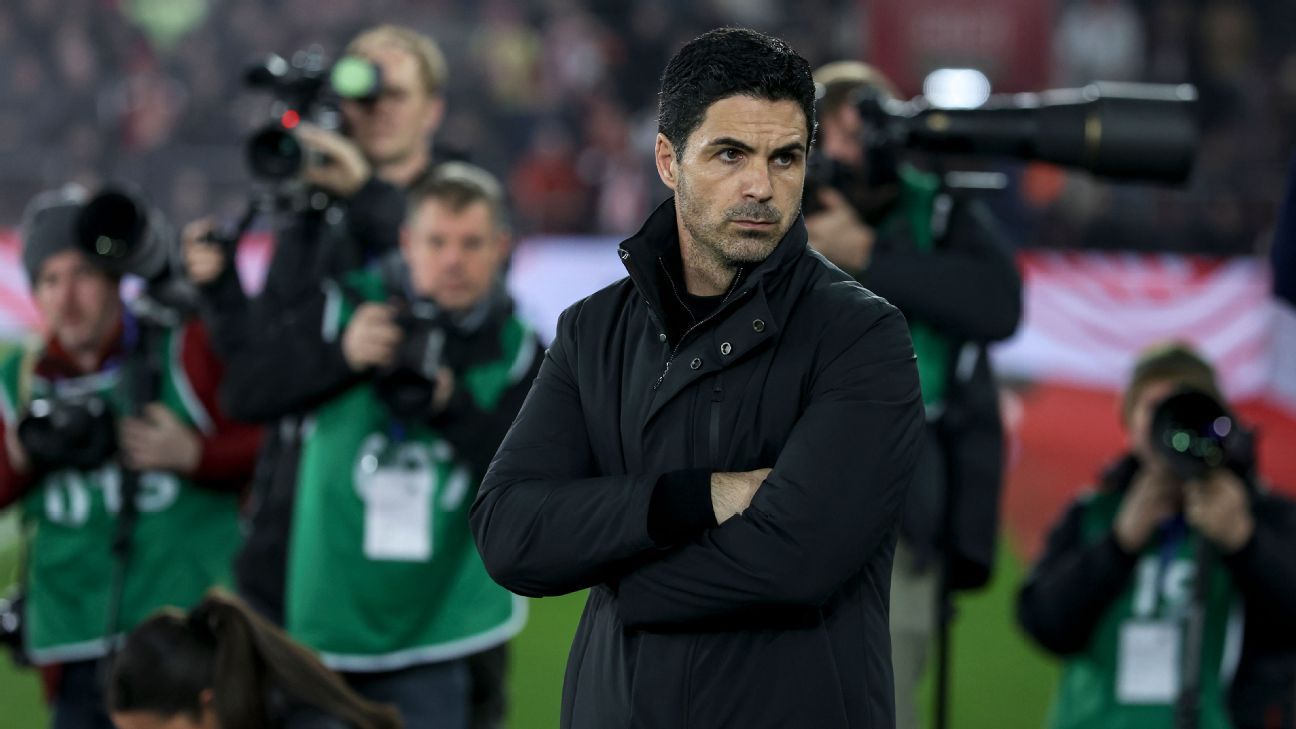
Arteta must step up: Arsenal’s run‑in turns into a pressure lab
Match Context: Arteta must step up
Arteta must step up because Arsenal’s next league fixture is no longer just another game; it’s a referendum on their nerve. The primary keyword, Arteta must step up, fits the mood of a title race that has become a weekly stress test. Arsenal have looked brilliant at their best and nervy under pressure. With the margins now microscopic, every fixture feels like a final, every selection like a headline, and every poor half like a trend.
The context is simple: Arsenal are still in the hunt, but the fear of another late wobble is real. The manager’s role now goes beyond tactics. It’s about calm, clarity, and controlling the noise. Arsenal’s football is built on structure. If the structure holds, they win games. If it cracks, they spiral into anxiety. That’s why this run‑in is as much about psychology as it is about shape.
YOU MAY ALSO LIKE
PSG vs Liverpool preview: the tactical fix-it list before Paris
Arsenal title race: the week that decides the noise
Arsenal injury crisis: Arteta’s selection headache before Bournemouth
Tactical Preview
Arsenal’s strength is their controlled buildup and positional discipline. They prefer to dominate possession, pin teams back, and create chances through structured rotations. The risk is that control can turn into caution, especially when the stakes rise. Arteta must step up in his tactical messaging to keep the tempo sharp without pushing the squad into chaos. The balance is everything.
Expect Arsenal to press high in short bursts rather than a full‑throttle press for 90 minutes. The goal is to win the ball in advanced zones without being vulnerable to direct counters. This is where the midfield shape matters. Arsenal need the central trio to cover transitions while still offering forward angles for progression. If the spacing collapses, the entire system looks fragile.
The wide areas are the other battleground. Arsenal’s wide players must provide both width and final‑third aggression. If they stay too wide, the box goes empty. If they drift inside too early, the opposition full‑backs get a free pass to step out. The best Arsenal teams are ruthless with their timing — hold width, then explode inside. That’s where the goals come from.
Key Battle
The key battle is Arsenal’s midfield control versus the opponent’s transitions. If Arsenal can stop the first counter pass, they’ll force the opposition into low‑block defending and manage the game. If they can’t, the match becomes a coin‑flip, and Arsenal have shown they can lose their composure in that scenario.
Arteta must step up by making proactive substitutions, not reactive ones. The run‑in is too tight for late changes. Arsenal’s bench needs to be part of the plan, not a desperate last roll of the dice.
Prediction Angle
The prediction angle rests on Arsenal’s mentality. If they control the emotional temperature early, they can dominate the ball and settle into their rhythm. If they look tense, the opponent will sense it and turn the match into a scrap. Arteta’s role is to keep the group in the “process” zone — crisp passing, stable spacing, and a calm response to setbacks.
This is a match Arsenal should win on paper, but titles are not won on paper. They are won by managing pressure, avoiding panic, and executing the plan under stress. The Arteta must step up narrative is not a criticism; it’s a reality check. He has built a strong side. Now he has to guide them through the most difficult part — the part where one mistake changes everything.