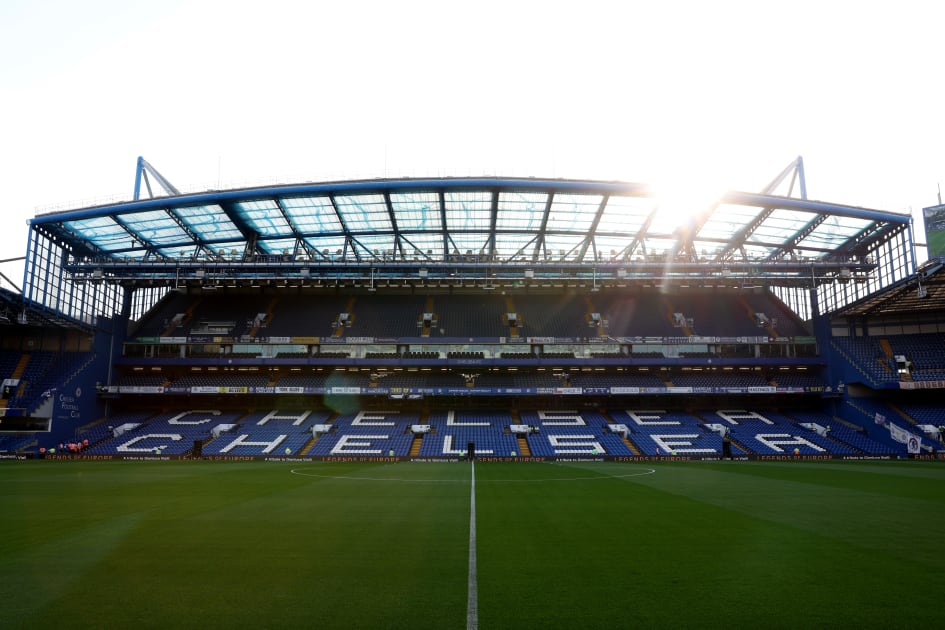
Chelsea vs Man City: Control vs Chaos at the Bridge
Match Context
When Chelsea host Manchester City, the script is always the same: City want to slow the game to their tempo, Chelsea want to speed it up until it breaks. It’s control versus chaos, possession versus punch, chess versus street fight. The Bridge is one of the few places where City’s patience can look a little less comfortable, because the crowd and the transitions hit faster than their diagrams can predict.
This fixture is also a reality check. Chelsea’s season is about momentum and identity — are they a top‑four team in practice, not just in projection? City arrive as the league’s control freaks, the standard for every team that wants to talk about “game management.” If Chelsea are serious about their run‑in, this is the kind of match where you don’t just play well; you prove that your plan can survive the league’s best.
The pressure points are obvious: Chelsea need to avoid slow turnovers, because City’s counter‑press is ruthless. City need to avoid being baited into a transition battle, because that’s where Chelsea’s pace and directness can turn a sterile possession spell into a broken‑field sprint. This matchup is never quiet. It’s a chessboard with fireworks.
YOU MAY ALSO LIKE
Arsenal’s Injury Parade Meets the Run‑In: Who Survives the Next Game?
Old Trafford, New Time: United vs Liverpool Gets the Broadcast Makeover
Spurs vs Sunderland: Survival Football and the Dyche Whiff
Tactical Preview
Chelsea’s best route is to make City defend their own transitions. That means quick outlets, a ruthless first pass, and runners who attack the spaces behind City’s full‑backs. If Chelsea move the ball too slowly, City will sink into their shape and suffocate the game with possession. But if Chelsea can turn steals into immediate forward passes, City’s back line gets dragged into sprints they don’t love.
City’s plan will be to overload midfield, drag Chelsea’s press out of shape, and then create the half‑space lanes for cutbacks. They’re not just looking for shots; they’re looking for stress. The longer they keep the ball, the more Chelsea have to chase. The danger is obvious: chasing makes you tired, tired makes you late, and late makes you open. That’s the City sequence.
Chelsea can’t let the game drift into a training‑ground tempo. The moment the ball circulation becomes slow and predictable, City’s midfield triangle squeezes the life out of the match. Chelsea need to keep the ball moving vertically, not just horizontally. That means risk — and it means bravery in the first pass forward after winning it. If that pass is safe every time, the game becomes a City clinic.
For Chelsea, the press has to be coordinated. Half‑pressing is suicide against City. Either you go together and force a mistake, or you sit a little deeper and protect the space in front of the back four. The worst option is in‑between, and that’s usually where City feast. The good news: the Bridge pushes Chelsea forward. The bad news: City are built to survive that push.
Key Battle
The key battle is the space between Chelsea’s midfield and defense. City target that zone with runners and quick combinations, and Chelsea have to choose whether to close it with an extra midfielder or protect it with a tighter back line. If Chelsea can keep that channel compact, City’s usual cutback parade becomes more predictable. If they can’t, this turns into a chase, and City love a chase.
Prediction Angle
This game will be defined by whether Chelsea can convert pressure into shots before City reset their shape. If Chelsea create early danger, the crowd becomes a tactical weapon. If City settle the tempo early, it becomes a tactical grind. The likely outcome is tight, intense, and decided by one moment of transition or one piece of set‑piece drama. Chelsea’s path to a result is simple: win the first duel, win the first sprint, and make City feel the noise. If they do that, this can turn into a statement night rather than a possession lecture.
Expect City to control the ball, and expect Chelsea to control the emotion. If Chelsea can turn that emotion into disciplined aggression, they can force mistakes. If they lose discipline, City will punish the smallest crack. That’s the margin in this matchup — one lapse, one line break, one reset too slow. It’s a game of inches with a crowd that wants a mile.