Crystal Palace vs The Run‑In: Wing‑Backs at the Centre of It All
Match Context
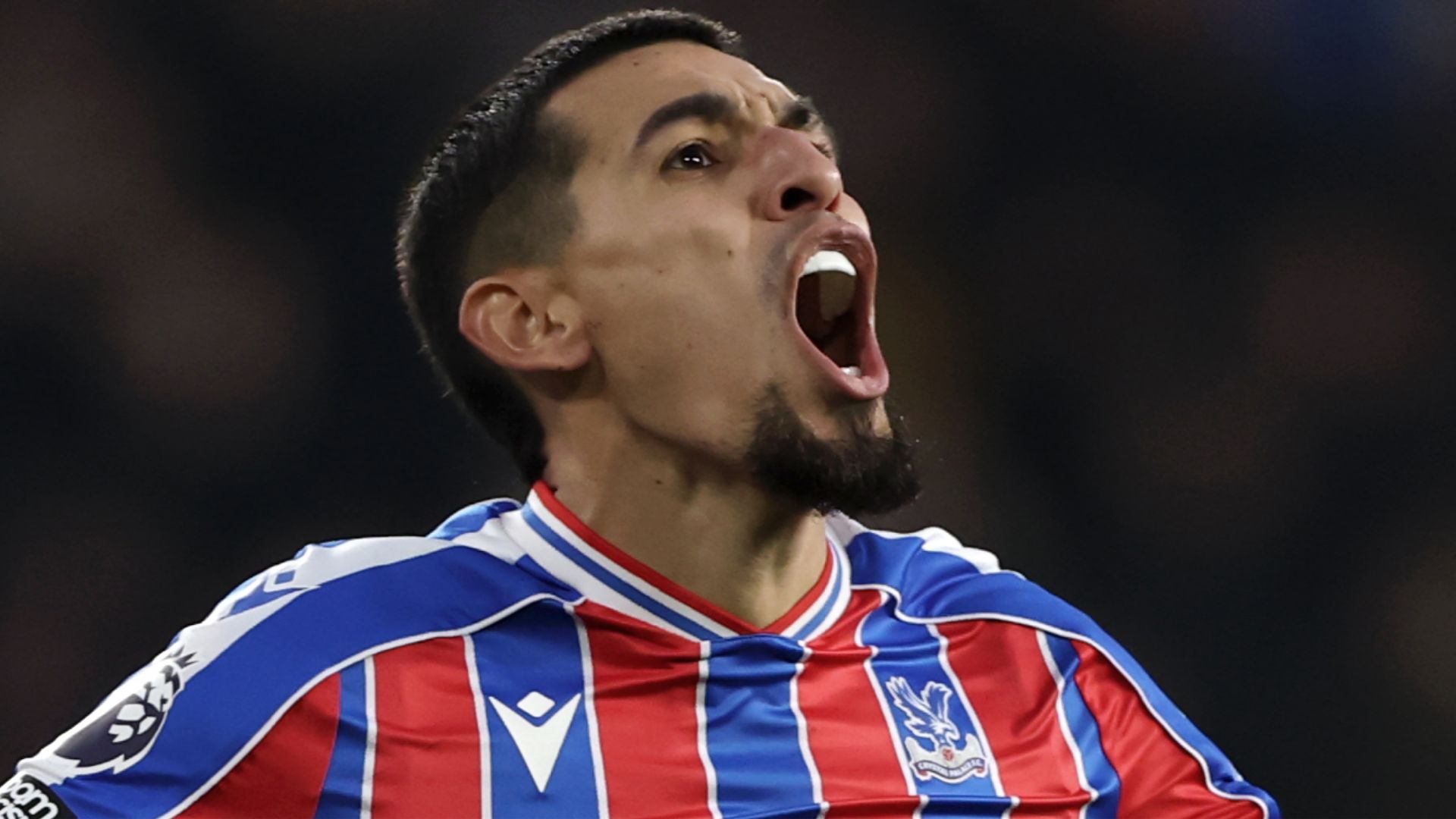
GOAL’s spotlight on Daniel Munoz as one of the Premier League’s most complete right-backs is the perfect cue for a Palace pre‑match lens. The Eagles aren’t just playing fixtures now; they’re playing for identity, and the wing‑back role under Oliver Glasner has become the tactical signature. If you want to understand how Palace plan to hurt teams in the final stretch, start with the right flank.
Munoz’s rise tells a bigger story: Palace have made a system of pace, overlap, and relentless forward running. When the wing‑back flies, the team breathes. When he’s pinned back, Palace shrink. That’s the match context every opponent must solve. Stop the wing‑back, or accept that you’ll spend 90 minutes chasing shadows.
YOU MAY ALSO LIKE
Sunderland vs Spurs: Seven‑Finals Football Starts Now
Tottenham 0–3 Forest: When Pressure Turned Into Panic
Spurs Hit Reboot: Tudor Out, Relegation Alarm Loud
Tactical Preview
Palace’s 3‑4‑2‑1 is built to overload wide areas and then strike through the half‑spaces. Munoz, in particular, is asked to play as both a winger and a full‑back in the same phase. When Palace have the ball, he becomes the high outlet who stretches the pitch and drags a defender with him. When they lose it, he has to recover fast enough to turn the shape back into a back five.
That dual responsibility makes the right flank the tactical preview in one sentence. If Munoz can win his duels and keep his running lanes open, Palace tilt the game. If the opponent traps him early, forces him backward, and isolates the winger ahead of him, Palace can look blunt. So the key is whether Palace can create switches of play to free him up, or if they’re forced into slow, predictable build‑up.
Another detail to watch is the midfield cover. When Munoz goes, the nearest midfielder must shuffle across to protect the channel. If that rotation is late, counters appear. If it’s on time, Palace suddenly look like a team with two right‑sides and an extra attacker. That’s the difference between cautious possession and a relentless wave of pressure.
Key Battle
Munoz versus the opposing left‑side defender is the obvious duel, but the real battle is in the timing. If Munoz is allowed to receive on the half‑turn, he’s away. If he’s forced to take the ball facing his own goal, the whole Palace attack stalls. Expect the opponent to test his patience, while Palace try to overload and free him with quick combinations.
There is also the mental battle: do you keep attacking when the space isn’t obvious, or do you hedge and protect? Glasner’s system asks for bravery. Munoz is the player who supplies it. That’s why this match preview isn’t about a single fixture as much as it is about a philosophy.
Prediction Angle
Palace’s run‑in will hinge on whether their wing‑back platform stays productive. If it does, they keep pinning teams back and stealing points. If it doesn’t, they become predictable and fade into the mid‑table murk. For this upcoming league test, the prediction angle is simple: if Munoz wins his lane, Palace win the narrative.
So look for early switches, quick overlaps, and a team willing to push numbers forward. If those patterns show up, Palace will make their match feel like a wide‑area tutorial. If not, it will be a grind. Either way, the right‑back debate just became a match‑day story.