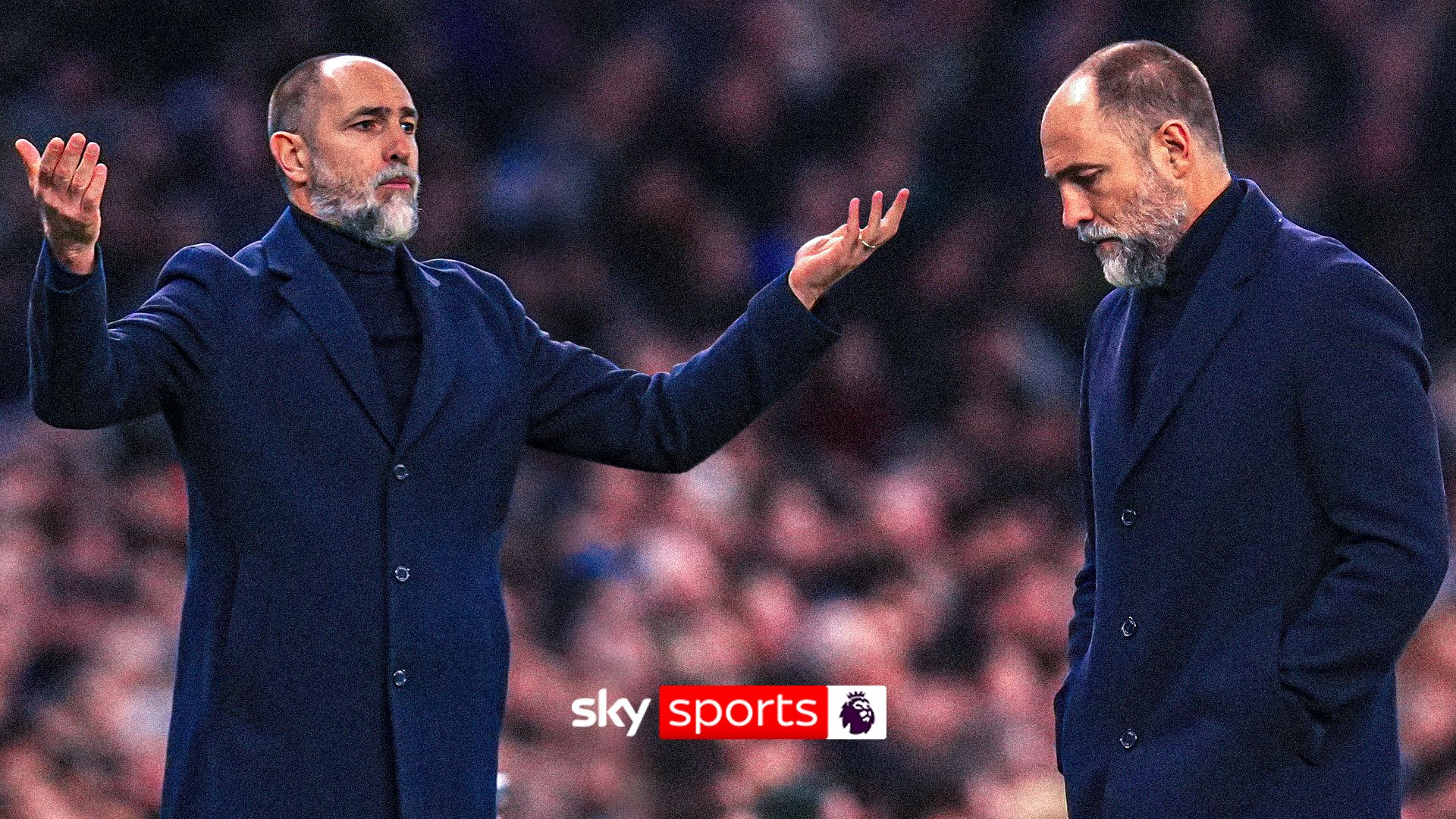
Tottenham 0‑1 Tudor Era: The Seven‑Game Autopsy
Match Summary
Sky Sports’ breakdown of Igor Tudor’s short Tottenham stint reads like a post‑match report, even if it covers seven matches instead of ninety minutes. The result is the same: Spurs walk away empty‑handed, the crowd feels bruised, and the manager exits through the side door. If you want the summary in one line, it’s this: Tottenham hired urgency and ended up with anxiety.
The Tudor era started with a need to stop the bleeding and ended with the bleeding turned into a statistic. Results didn’t stabilise, confidence didn’t reset, and the narrative didn’t shift. When the table looks ugly, anything less than a points surge feels like decline. The club chose to cut the cord rather than ride out the turbulence. This “match” ended not with a whistle, but with a statement.
For a team flirting with relegation, the margins are thin. Seven games is a small sample, but in a relegation fight, it’s an eternity. The mood never lifted because the evidence never did. Spurs didn’t look like a team that knew exactly what they were, which is fatal in the league’s most unforgiving stretch.
Tactical Breakdown
The tactical picture under Tudor was a hybrid of intention and instability. There were moments of high pressing and quick transitions, but the structure behind it didn’t hold. Tottenham often pressed in waves without consistent coverage, which left space between the lines and exposed a back line that needed protection, not isolation.
In possession, Spurs lacked rhythm. The ball moved, but the tempo didn’t. Midfield combinations were inconsistent, and the team’s progressions frequently died in the second phase. When that happens, the back line spends too much time defending, and the game becomes a loop: lose the ball, defend a transition, reset, repeat. It’s exhausting, and it drains belief.
There were also personnel issues. Short tenures rarely allow for a real blend, so the system becomes a compromise. A compromise is fine if the fundamentals are clean; it’s a problem if the fundamentals are shaky. Tottenham’s fundamentals were shaky. That’s why a short spell felt longer than it should.
YOU MAY ALSO LIKE
Spurs vs Survival: The Match Before the Manager Switch
Guinness, Gossip and a Spurs Panic: Dyche’s Pub Reality Check
Spurs 0-3 Forest: The Collapse That Rewrote a Relegation Week
Turning Point
The turning point wasn’t a single match; it was the absence of a clear “this is it” performance. In relegation scraps, a new manager usually gets one defining result that flips the emotional current. Tottenham never found that moment. Instead, the weeks blurred into a sequence of incomplete displays: a little press here, a few bright spells there, but not enough to make the team look coherent.
Once the optimism fades, every mistake becomes louder. Defensive errors feel heavier. Missed chances feel fatal. The turning point was when the club realised that there wasn’t going to be a turning point. That’s the harshest truth in football, and it’s why the Tudor era ended as quickly as it began.
Implications
Tottenham now face a brutal reset with the season on the line. The next appointment must simplify the game and restore trust. The squad needs clarity: who presses, who protects, who leads, and who carries the ball in the right zones. The league doesn’t wait, and the fixture list doesn’t care about managerial transitions. Spurs have to build a survival‑level plan immediately.
For the wider league, this is another case study in how hard it is to manufacture momentum with a mid‑season change. It can work, but it demands instant alignment between tactics and mindset. Tottenham didn’t get that alignment, and now they’re back at the starting line with less time than before.
The seven‑game spell will be remembered less for what happened and more for what didn’t. No surge. No statement. No stability. The next manager inherits a team that needs oxygen more than aesthetics. If they find it, this period becomes a blip. If they don’t, this post‑match analysis will be a prequel to a far bigger story.